

When to ask about root canal therapy
Lingering heat or cold pain, biting pain, swelling near a tooth or a darkened tooth may need nerve assessment.

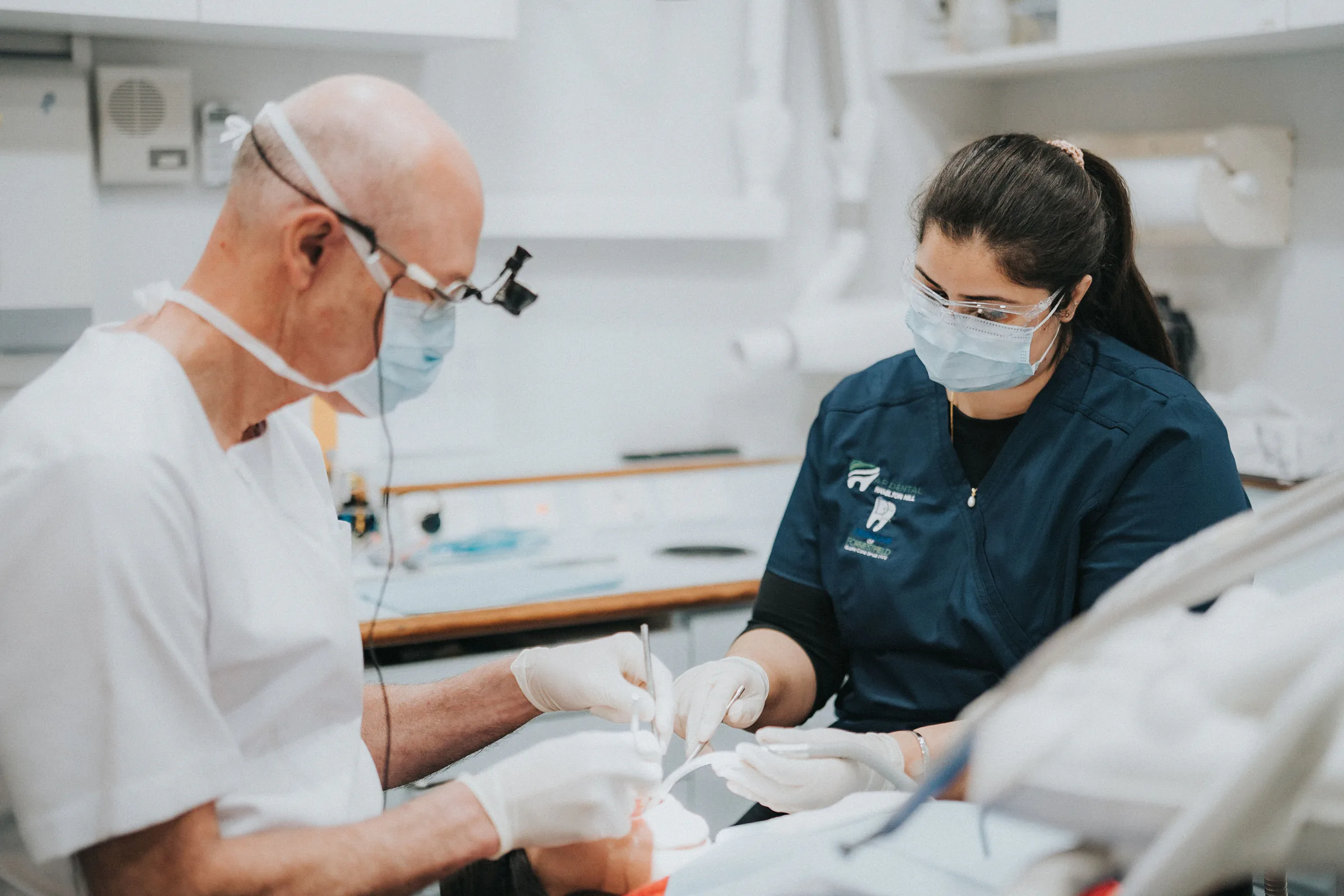
A toothache that lingers, wakes you at night or reacts strongly to temperature can make it hard to know what to book.
Root canal therapy may be discussed when the nerve inside a tooth is inflamed or infected and the tooth may still be restorable.
Nerve symptoms checked
X-rays may be needed
Stages explained
Alternatives compared


These details are a guide only for root canal therapy appointments. The team confirms appointment type, fees, claiming context and clinical needs before treatment proceeds.
Lingering heat or cold pain, biting pain, swelling near a tooth or a darkened tooth may need nerve assessment. Call first for facial swelling, fever, severe worsening pain or trouble swallowing.
Lingering heat or cold pain, biting pain, swelling near a tooth or a darkened tooth may need nerve assessment.
Testing the tooth, checking X-rays where useful and deciding whether root canal therapy, extraction or another option fits.
Fees vary with tooth type, number of canals, records, stages and the final restoration. Health fund and payment-provider terms should be confirmed before treatment.
Call first for facial swelling, fever, severe worsening pain or trouble swallowing.
The first question is whether the tooth can be predictably restored after the nerve problem is treated.
Testing helps work out whether pain is coming from the nerve, a crack, deep decay or another cause.
Root canal therapy only makes sense if the tooth can be sealed and restored afterwards.
Your dentist can explain whether treatment may need stages, a temporary restoration or a final crown or filling.

Root canal therapy decisions are guided by the details found at the appointment, not by the service name alone. The first question is whether the tooth can be predictably restored after the nerve problem is treated.

Pain after hot, cold or biting may suggest the nerve needs assessment.
A pimple on the gum, bad taste or swelling can change timing.
The appointment helps compare root canal therapy, extraction and restoration limits.
The root canal therapy assessment focuses on the details that change treatment choice, timing, cost or whether another appointment is more appropriate.
The pattern of pain triggers helps your dentist decide what should be assessed first.
X-ray changes can change whether care is simple, staged or better reviewed another way.
Your dentist checks cracks or old fillings because it can affect timing, comfort or risk.
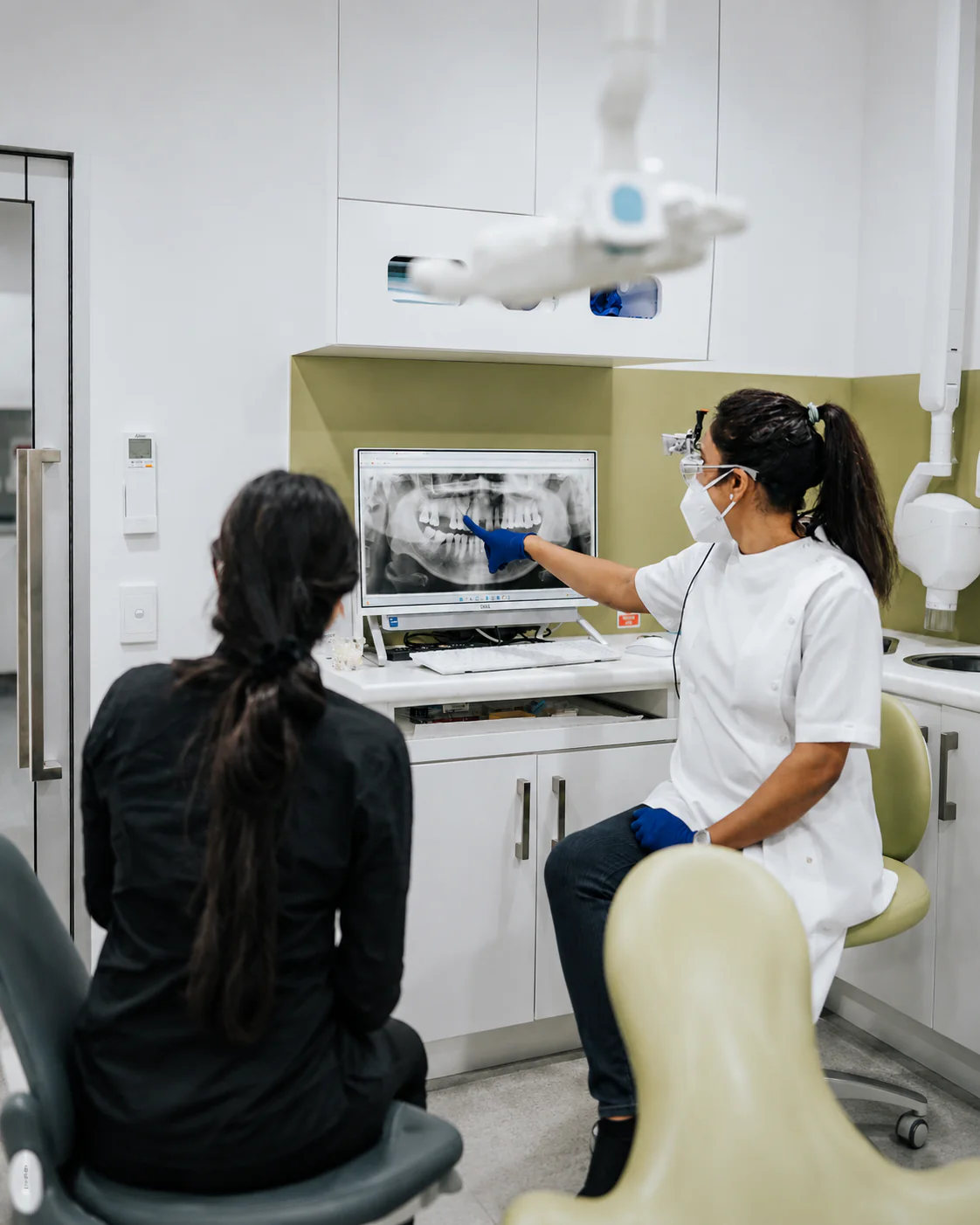
Not every root canal therapy appointment needs the same records or timing. Your dentist will explain why an extra check is recommended when it applies to your situation.
Tooth structure may explain why the concern has returned or why a previous repair is not coping.
The appointment also reviews bite pressure so the plan is not based on one sign alone.
Final restoration needs helps shape the review interval, appliance fit, home care or follow-up advice.
The first visit separates nerve-related pain from cracks, deep decay, bite trauma or gum problems. If root canal therapy is appropriate, your dentist can explain the stages and the restoration the tooth may need afterwards.
Tell the team about swelling, antibiotics, painkillers, night pain, previous root canal treatment or a preference to save or remove the tooth.
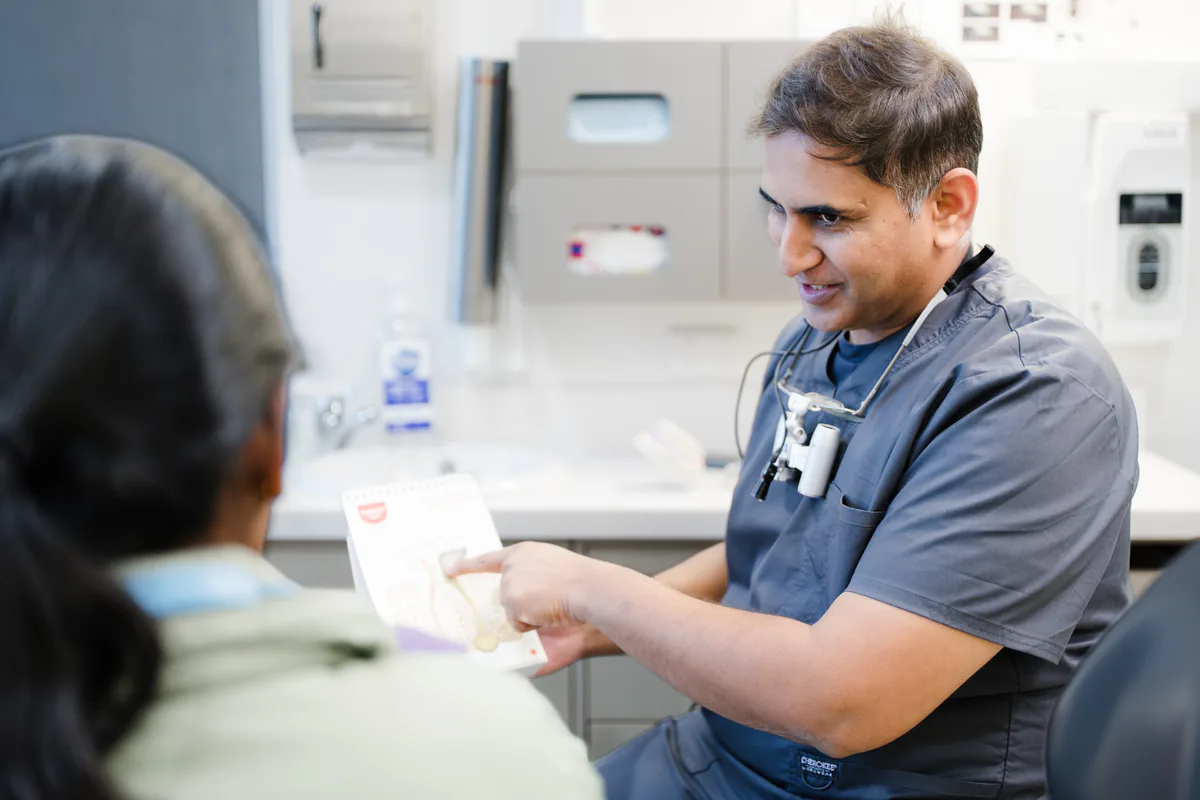
Step 01
The conversation focuses on saving a tooth when the nerve may be inflamed or infected, including timing, triggers and the detail that made you book.

Step 02
Your dentist checks pain triggers, x-ray changes, cracks or old fillings and explains whether records would add useful information.
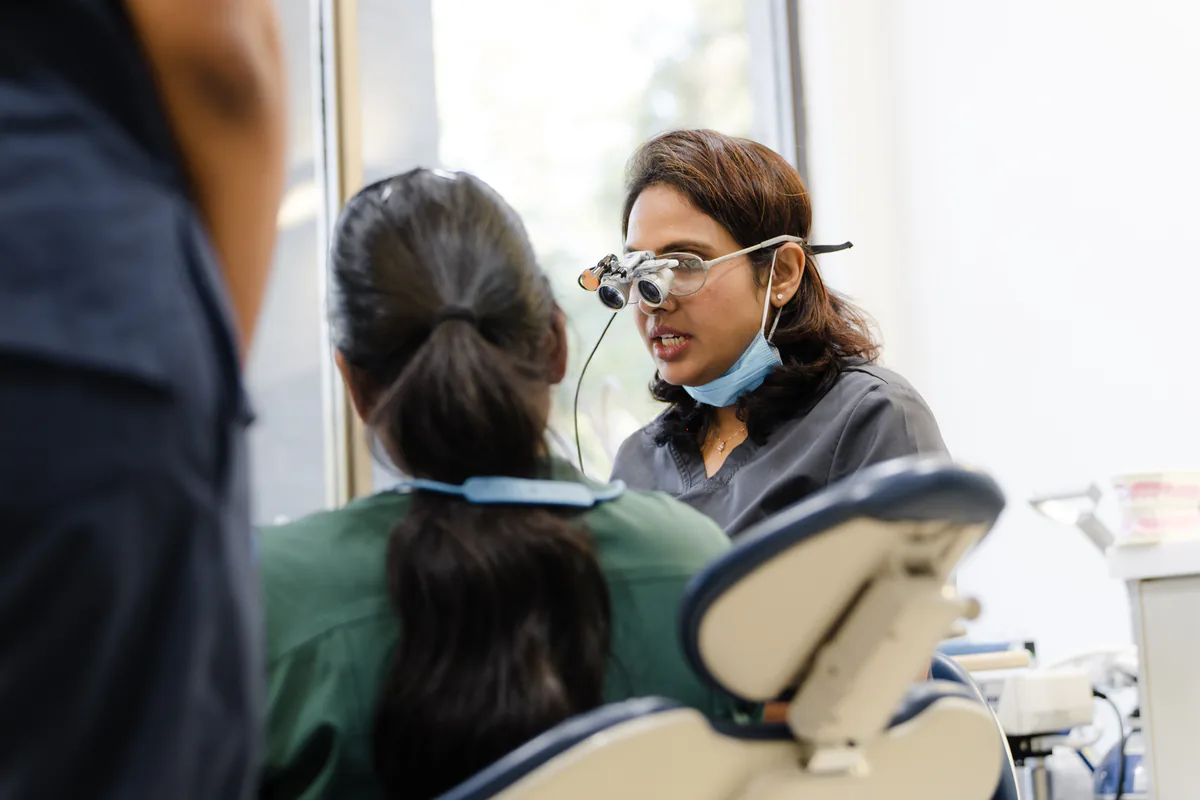
Step 03
The next step for root canal therapy is discussed with fees, timing, limits and alternatives before care is planned.
Root canal therapy is considered only after the tooth has been tested and checked for restorability. Symptoms alone cannot confirm that the tooth can or should be saved.
Lingering temperature pain is worth checking when it changes chewing, cleaning, comfort or confidence in the tooth.
Biting pain may need a different pathway depending on what your dentist finds.
Gum swelling can affect timing, records, cost and whether treatment should be staged.
Deep decay or old filling is often easier to manage once the cause and limits have been explained.
Fees vary with tooth type, number of canals, records, stages and the final restoration. Health fund rebates and payment-option suitability depend on your policy and provider terms.
The team can explain root canal therapy fees, likely item numbers, possible extra costs and out-of-pocket context before treatment begins.
Whether X-rays, photos, scans, measurements or other records are needed.
How complex the finding is and whether care needs to be staged.
Whether follow-up, review, appliance work, aftercare or referral is needed.
Your health fund policy, annual limits, item numbers and payment-provider terms.
A tooth treated inside the root still needs a reliable seal and may need further protection. Your dentist can explain the staged timing before care begins.
Bring the pain pattern, not just the pain score
Lingering hot or cold pain, biting pain, swelling, pain relief use and previous dental work help your dentist understand whether the nerve may be involved.
Note what triggers pain, how long it lasts, whether swelling is present and which medicines you have used.
Ask whether the tooth appears restorable, what stages may be needed and what the alternative would be.
Follow instructions for temporary restorations, tenderness and when to call if swelling or pain worsens.
If your search started with symptoms rather than root canal therapy as a service name, these pages can help you choose the most relevant next step.
The team can redirect your appointment if checking your mouth shows that another general dentistry or urgent care service is more appropriate than root canal therapy.
Practical answers about root canal therapy, assessment, records, suitability, costs, alternatives, aftercare and when to call first.
root canal therapy is a general dentistry service used when the nerve inside a tooth may be inflamed or infected and the tooth may still be worth trying to save. The appointment still begins with assessment, because the right next step depends on what your dentist finds.
The first visit is there to understand whether root canal therapy is the right conversation, not to rush you into a treatment decision.
Book online for planned toothache assessment. Call reception first if swelling, fever, severe night pain or trouble swallowing is part of the concern.
Visit us
57 Labouchere Road
Level 1, Suite 4, South Perth WA 6151
Opening hours
Monday - Friday 9:00AM - 6:00PM
Saturday: 9:00AM - 1:00PM
Email & Call Us
© 2026 Designed & Developed by Shoutout Digital


