

Alignment concerns
Crowding, spacing, rotation or shifting teeth may be assessed before aligner planning.

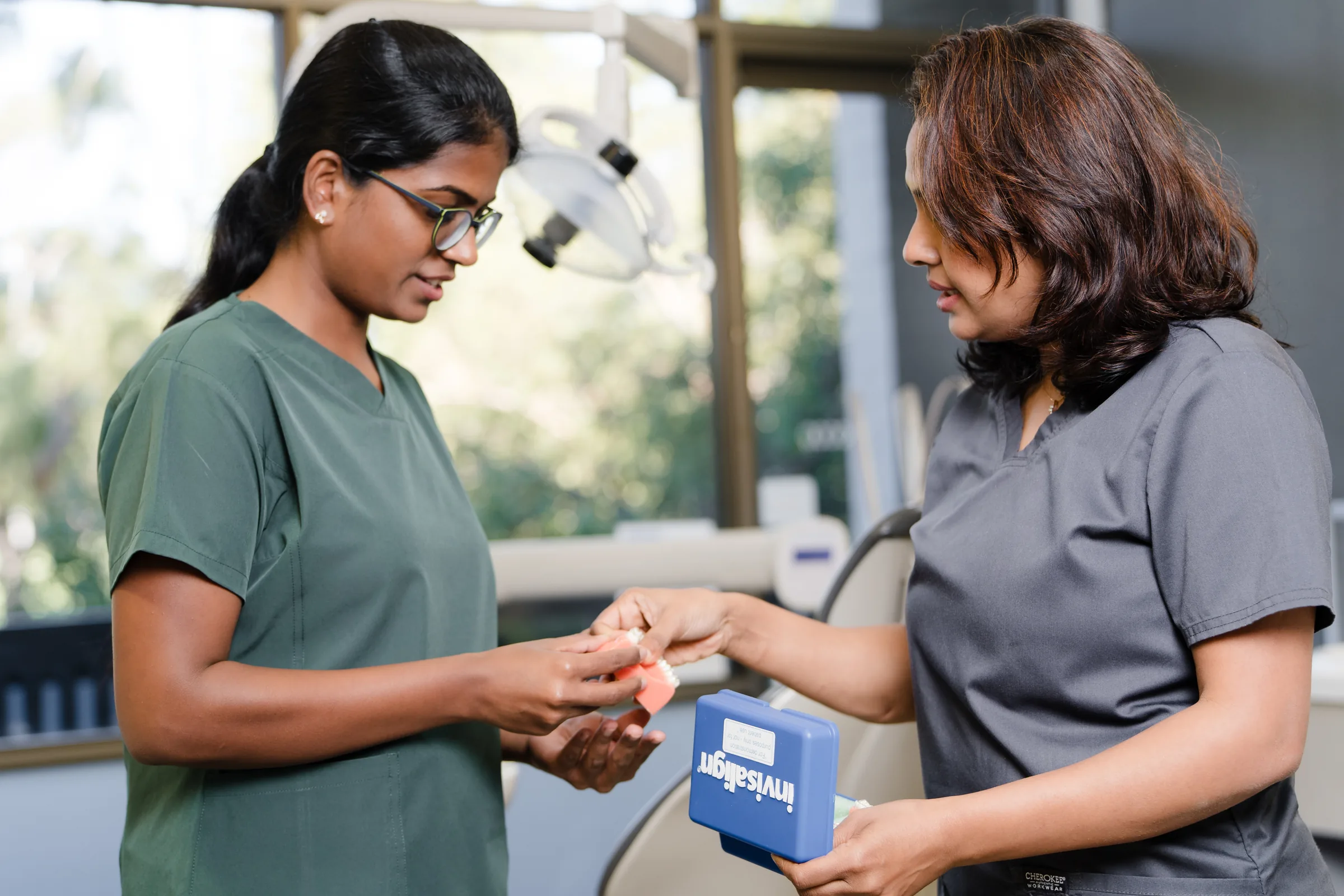
You might notice crowding, spaces, shifting teeth or a bite that does not feel quite right.
Orthodontic care at Signature Dental starts with assessment before Invisalign or ClearCorrect aligners are planned, so you understand suitability, wear-time, limits, fees and retention.
Assessment first
Bite checked
Wear-time explained
Retention planned


Clear aligners can move teeth in planned stages, but the mouth must be checked first and not every movement suits aligners.
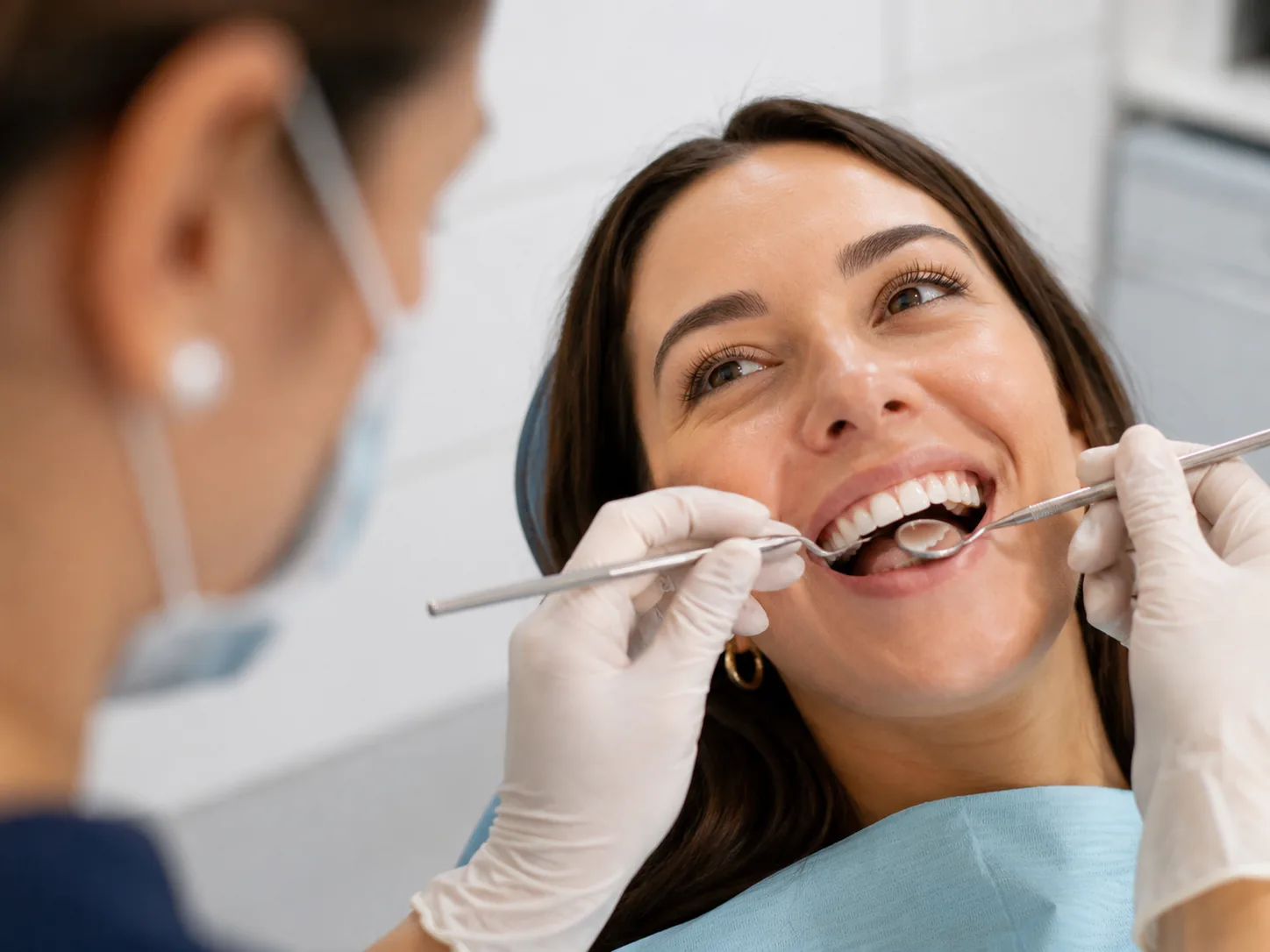
A clear starting point for tooth movement and bite questions
It includes Invisalign, Invisalign consultation and ClearCorrect aligners for patients whose teeth, gums, bite and routines are suitable for clear aligner planning.
The appointment is used to understand what movement is realistic and whether records, preparatory care, referral or another option should be discussed.
Assessment before aligners
Crowding, spacing, rotation or shifting teeth may be assessed before aligner planning.
Bite, gum health, bone support, tooth wear and oral hygiene can affect suitability and timing.
Wear-time, attachments, refinements, reviews and retainers are part of clear aligner planning.
You do not need to choose Invisalign or ClearCorrect first. Start with what you notice and what you want to understand.
For patients asking whether Invisalign or ClearCorrect may be discussed.
For crowding, spacing, tooth wear, relapse or bite changes that need assessment.
For patients wanting to understand records, wear-time, timing and retention before deciding.
The visit helps check whether Invisalign, ClearCorrect, monitoring, referral, restorative care or no orthodontic treatment for now should be discussed.
01Teeth look crowded, rotated, spaced or have shifted since previous dental or orthodontic care.
02The bite feels uneven, teeth are wearing, or chewing contacts feel different.
03You want to understand whether clear aligners could fit work, school, social or travel routines.
04You have questions about scans, attachments, refinements, retainers, timing or costs.
05You want to compare Invisalign, ClearCorrect, restorative care, referral or no treatment for now.
Crowding, spaces, relapse and bite changes can involve different records and limits. Choose the closest match, then your dentist can confirm whether Invisalign, ClearCorrect or another option should be discussed.

Invisalign may be discussed for suitable patients when clear aligner tooth movement fits the bite, gum health and treatment goals.
Assessment should cover scans, photos, X-rays where useful, wear-time, attachments, refinements, retention, limitations, timing and cost factors.
Your dentist starts with what you notice, then checks whether clear aligner planning is suitable for the teeth, gums and bite.
The South Perth team can explain records, likely stages, limits and fee factors before you decide whether to continue.
If pain, swelling, trauma, or a broken tooth is the reason for booking, call the clinic so reception can guide the appointment type.
Tell us about crowding, spacing, tooth movement, bite changes, tooth wear or previous orthodontic treatment.
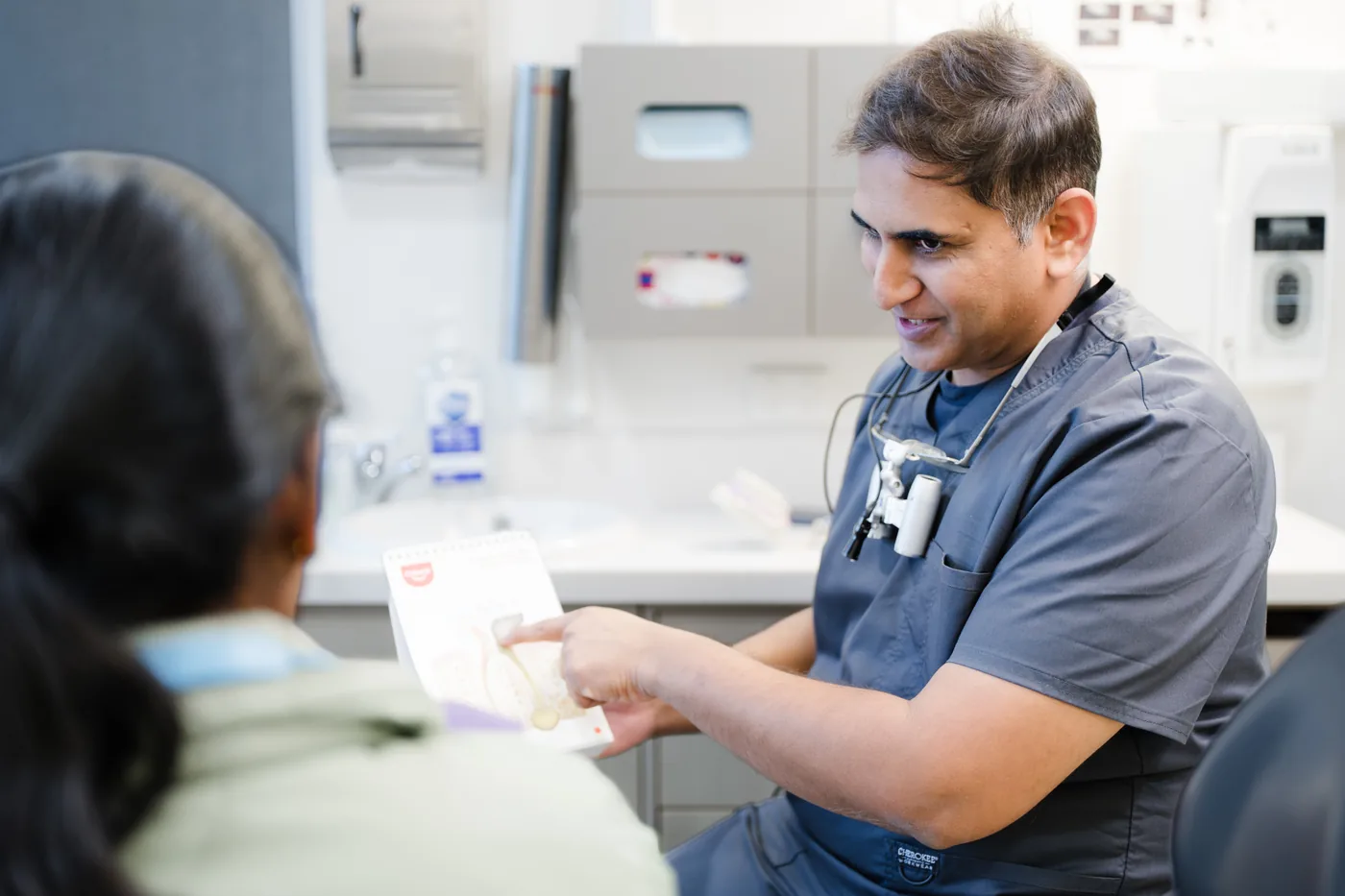
Your dentist checks oral health, bite, tooth position and whether scans, photos or X-rays may be useful.
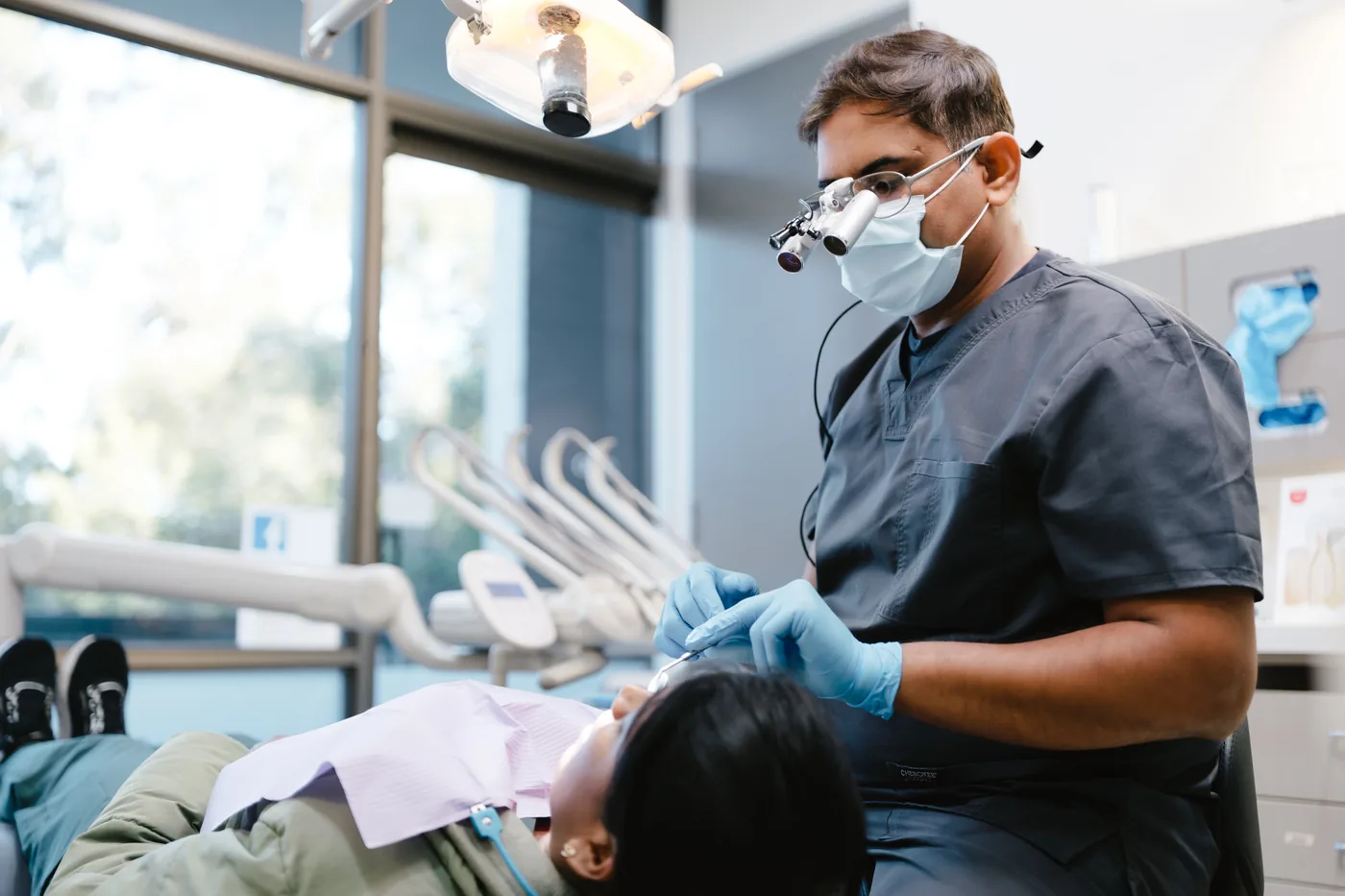
You should understand wear-time, stages, refinements, retention, alternatives, limits and fees before treatment is planned.
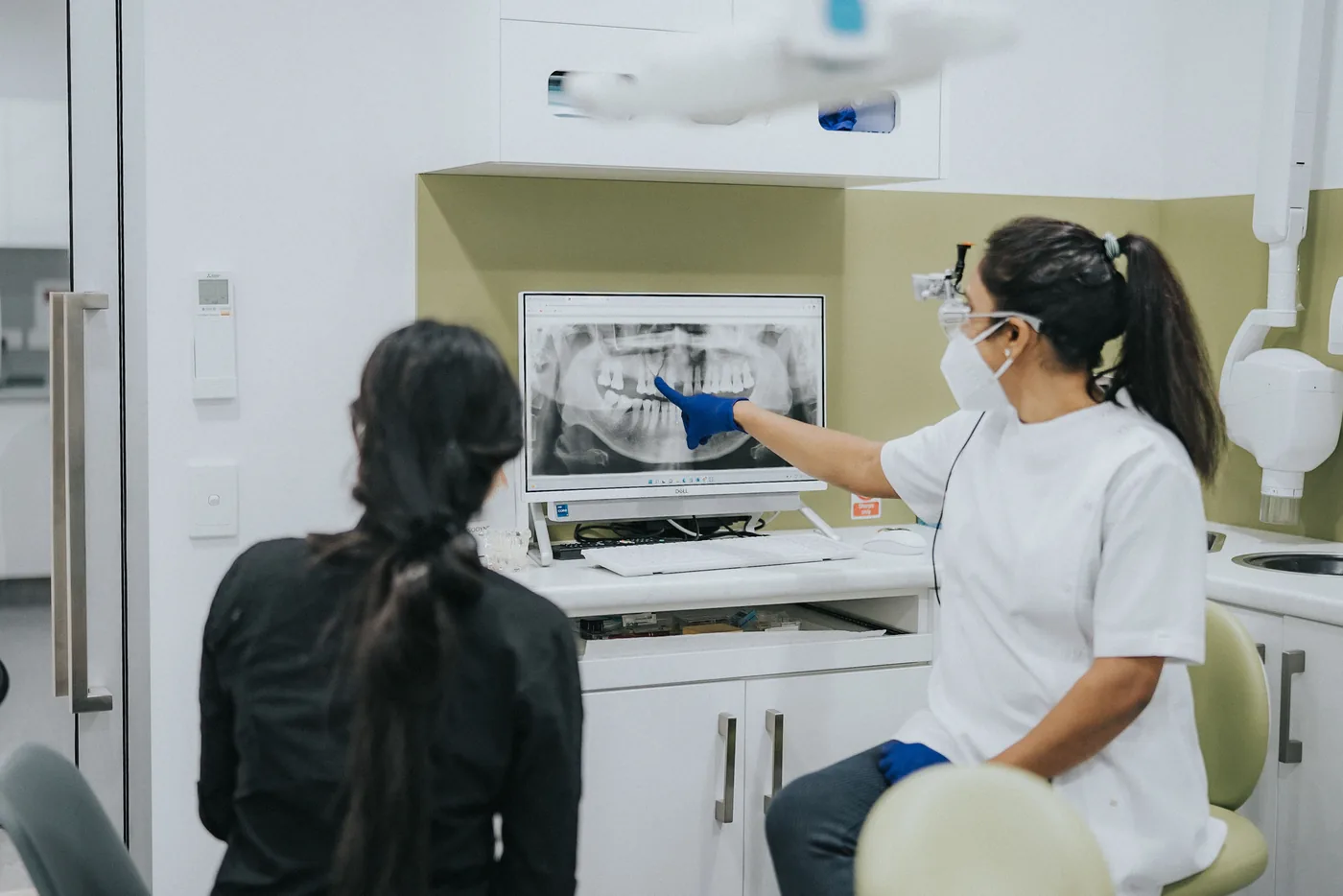
These details help you understand whether the visit is a consultation, records appointment, aligner comparison or a general dental concern first.
Teeth, gums, bite and oral hygiene need checking before Invisalign or ClearCorrect planning.
Digital scans, photos or X-rays may be discussed when they help assess tooth movement or treatment limits.
Clear aligner treatment depends on wearing aligners as directed and attending reviews.
Some cases need extra stages if teeth do not track as expected.
Retainers help maintain tooth position after active treatment and should be discussed before starting.
Fees depend on records, brand, complexity, stages, refinements, retainers and any preparatory care.
Use what you notice first: crowding, gaps, bite changes, tooth wear, relapse or a specific brand question. Urgent pain or swelling should be phoned through.
If your concern is urgent, painful or related to trauma, call the clinic so the team can guide the most appropriate next step.
Costs, health fund claiming and payment-option questions can be discussed after your dentist has checked what care is suitable.
Signature Dental can process claims for many health funds, and HBF and nib preferred-provider arrangements may apply. Orthodontic rebates and out-of-pocket costs depend on your policy.
Zip Pay, Zip Money, Afterpay, Humm and SuperCare may be relevant for eligible patients or services. Terms, limits and eligibility should be confirmed before treatment.
Practical answers about clear aligners, Invisalign, ClearCorrect, assessment, records, costs, wear-time, refinements, retention and alternatives.
Orthodontic care at Signature Dental starts with clear aligner assessment and planning for options such as Invisalign and ClearCorrect aligners.
You do not need to choose a brand before your teeth, gums and bite are checked.
Start with the alignment, spacing or bite question you want to understand. Call first for swelling, trauma, severe pain or a sudden bite change.
Visit us
57 Labouchere Road
Level 1, Suite 4, South Perth WA 6151
Opening hours
Monday - Friday 9:00AM - 6:00PM
Saturday: 9:00AM - 1:00PM
Email & Call Us
© 2026 Designed & Developed by Shoutout Digital


