

When to ask about dentures
Several teeth are missing, an existing denture feels loose or sore, or you want to understand removable replacement options.

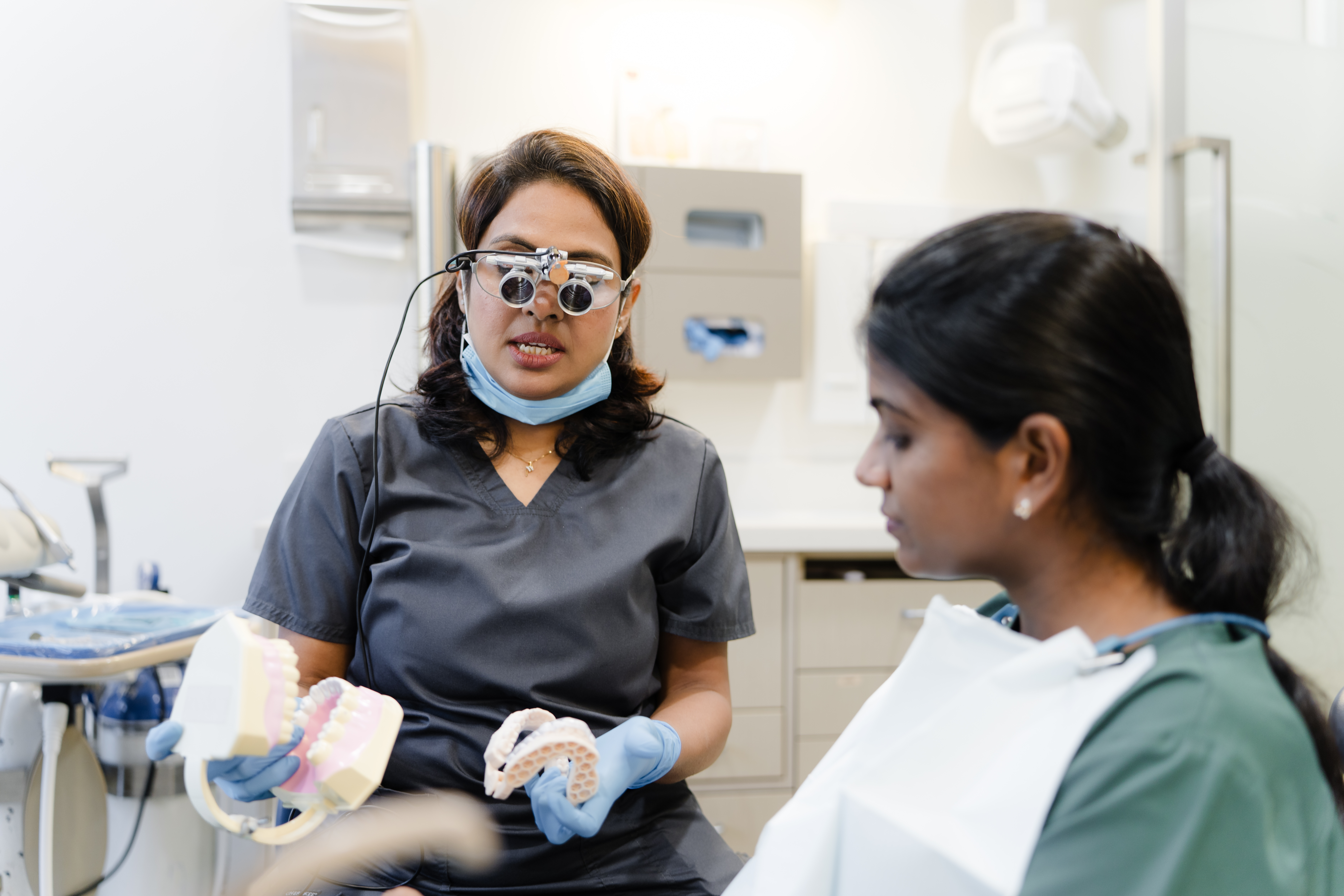
Dentures can help replace several missing teeth, but fit and comfort depend on the gums, bite and remaining teeth.
A denture appointment checks what is missing, what still supports the bite, whether an old denture can be adjusted and whether other replacement options should be compared.
Fit checked
Sore spots reviewed
Bite assessed
Replacement timing


Use these details to decide whether to book online or call first. Fees, health fund claiming and any treatment needs are confirmed after your dentist checks what is involved.
Several teeth are missing, an existing denture feels loose or sore, or you want to understand removable replacement options.
Several teeth are missing, an existing denture feels loose or sore, or you want to understand removable replacement options.
Missing-tooth pattern, gum shape, bite, sore spots, remaining teeth, denture fit and whether repair or replacement is realistic.
Denture fees vary with the number of teeth replaced, records, material, design, adjustment needs and whether extractions or repairs are involved.
you have swelling, severe pain, trauma, a denture sore that is worsening or a broken denture affecting eating
A denture plan needs to work with the gums, bite, remaining teeth and the way your mouth may change over time.
The number and position of missing teeth shapes whether a partial or full denture is discussed.
Gums, bone shape and saliva can influence fit, pressure points and adjustment needs.
Dentures may need adjustment, repair, relining or replacement as the mouth changes.
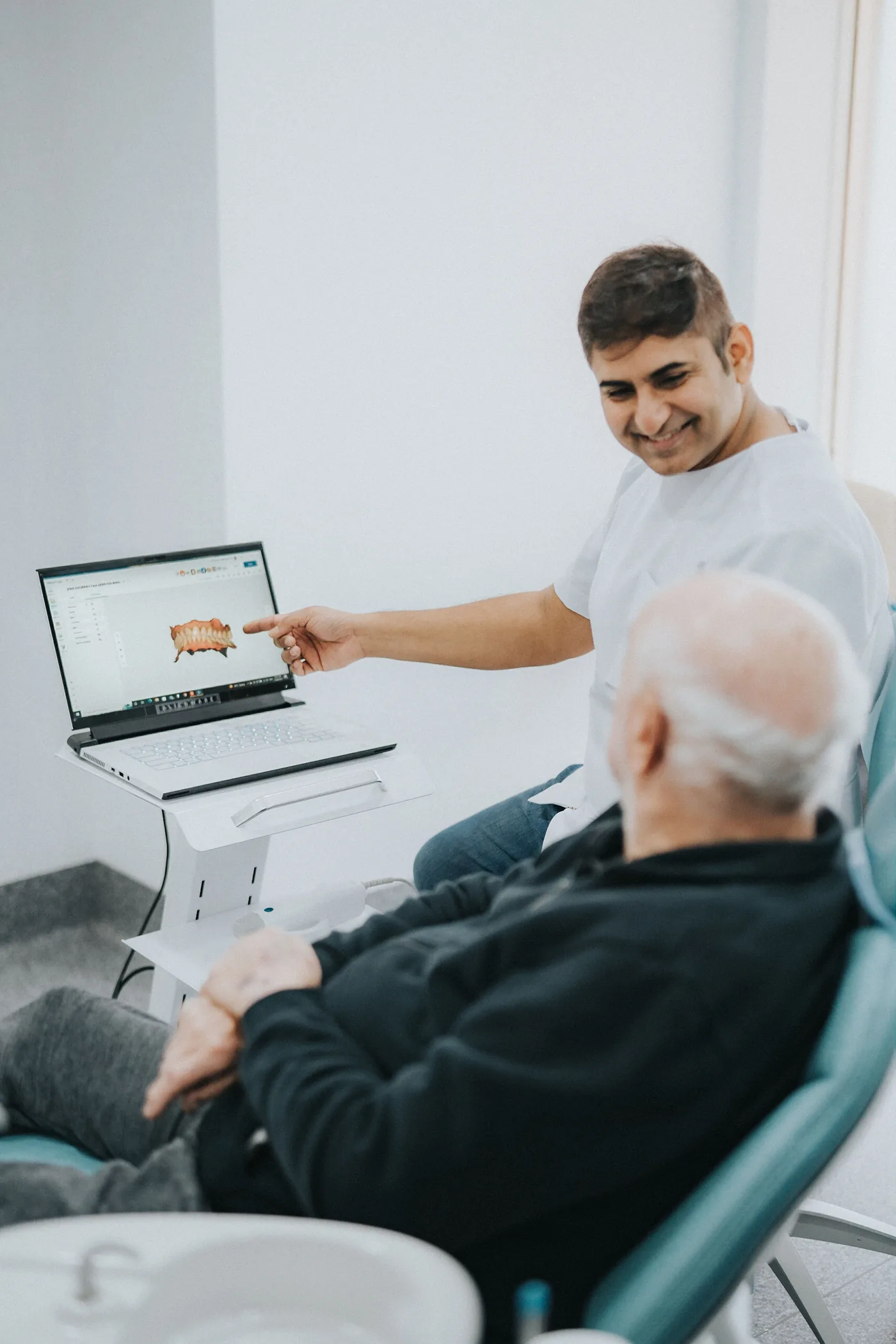
The assessment helps decide whether an old denture can be improved or whether a new removable or implant-supported option should be discussed.
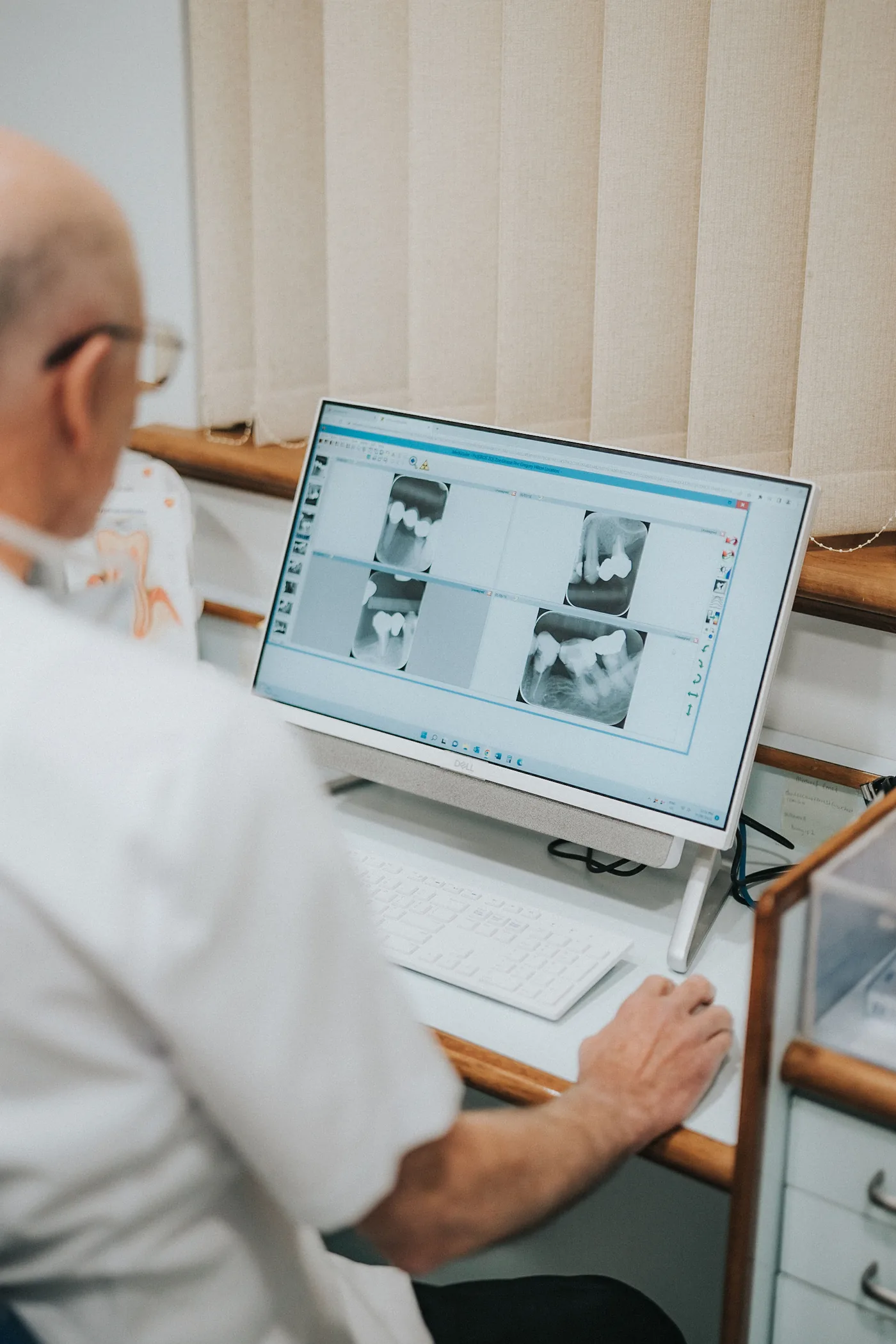
A partial or full denture may be one way to restore chewing support.
Fit changes can occur as gums and bone change over time.
Rubbing, cracks or broken teeth on a denture should be checked rather than ignored.
Denture planning checks the missing teeth, remaining teeth, gum shape, bite and whether the appliance can be maintained.
Which teeth are missing changes the design and support available.
The shape of the gums affects pressure, stability and adjustment needs.
Remaining teeth may help support a partial denture or need treatment first.
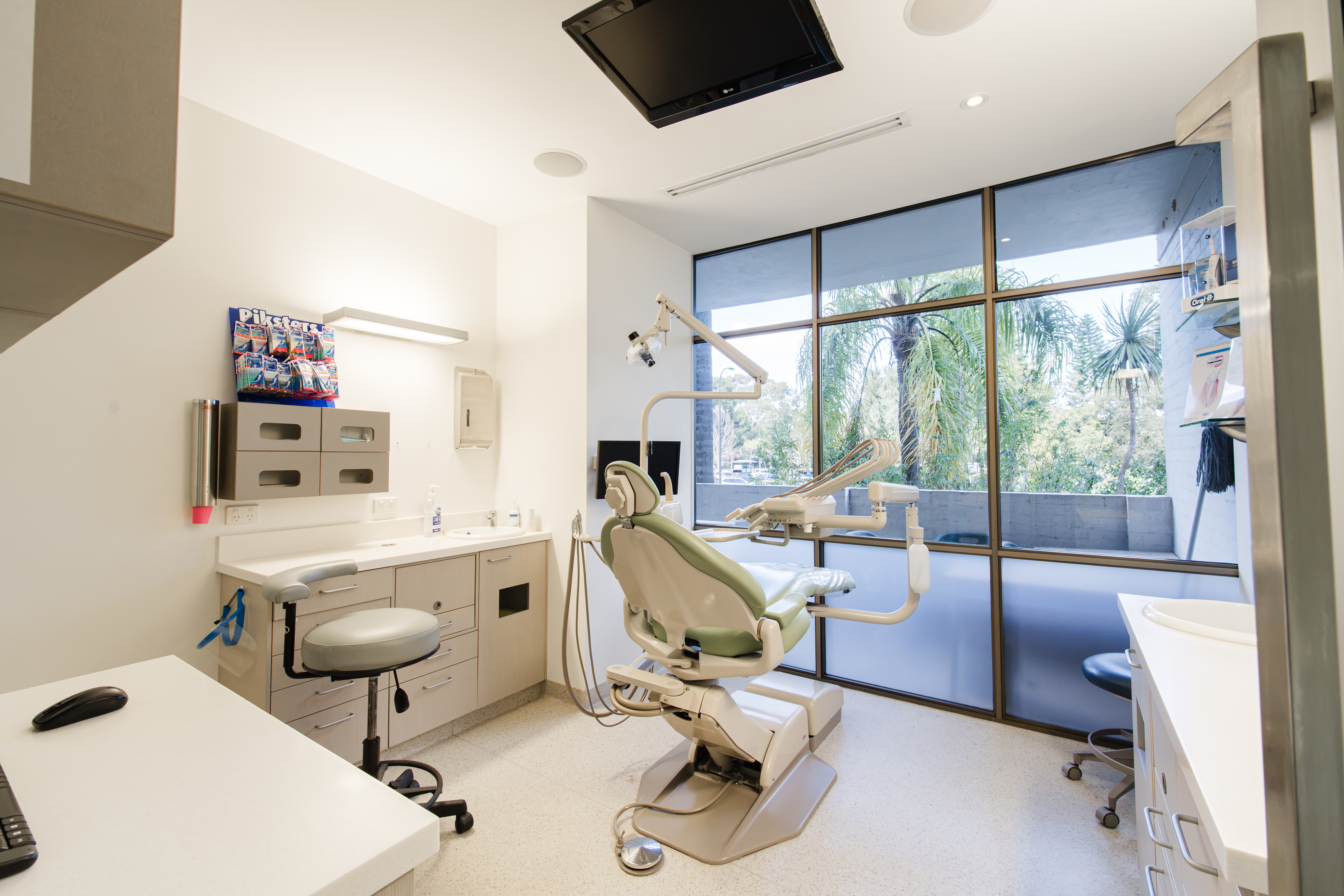
Your dentist can explain whether adjustment, repair, new dentures, implant-supported options or referral should be discussed.
Tooth position, bite height and speech can affect design choices.
Existing dentures are checked for wear, cracks, looseness and sore spots.
Implant-supported dentures, bridges or staged treatment may need comparison.
The appointment checks whether the issue is fit, wear, missing teeth, sore spots or a broader replacement plan.
Bring any denture you currently use, even if it is broken, loose or causing sore spots.
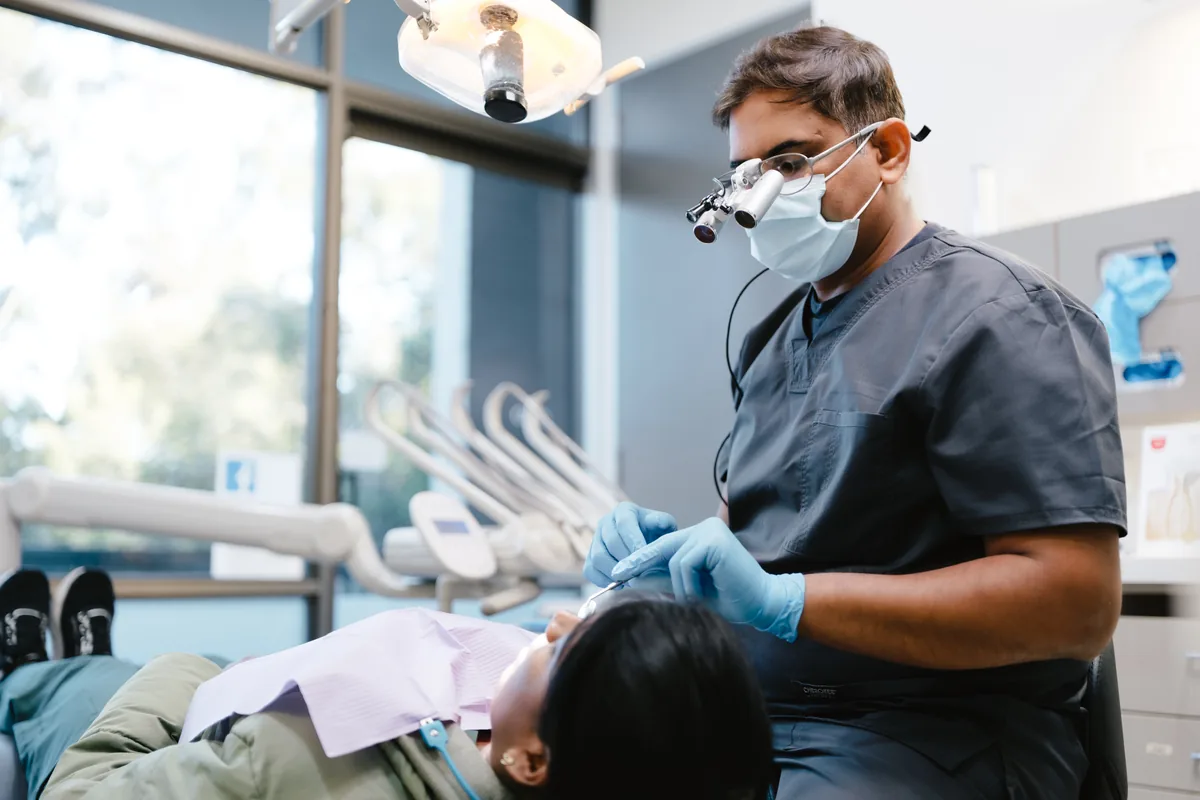
Step 01
Your dentist checks missing teeth, gums, bite, remaining teeth and any appliance you bring.
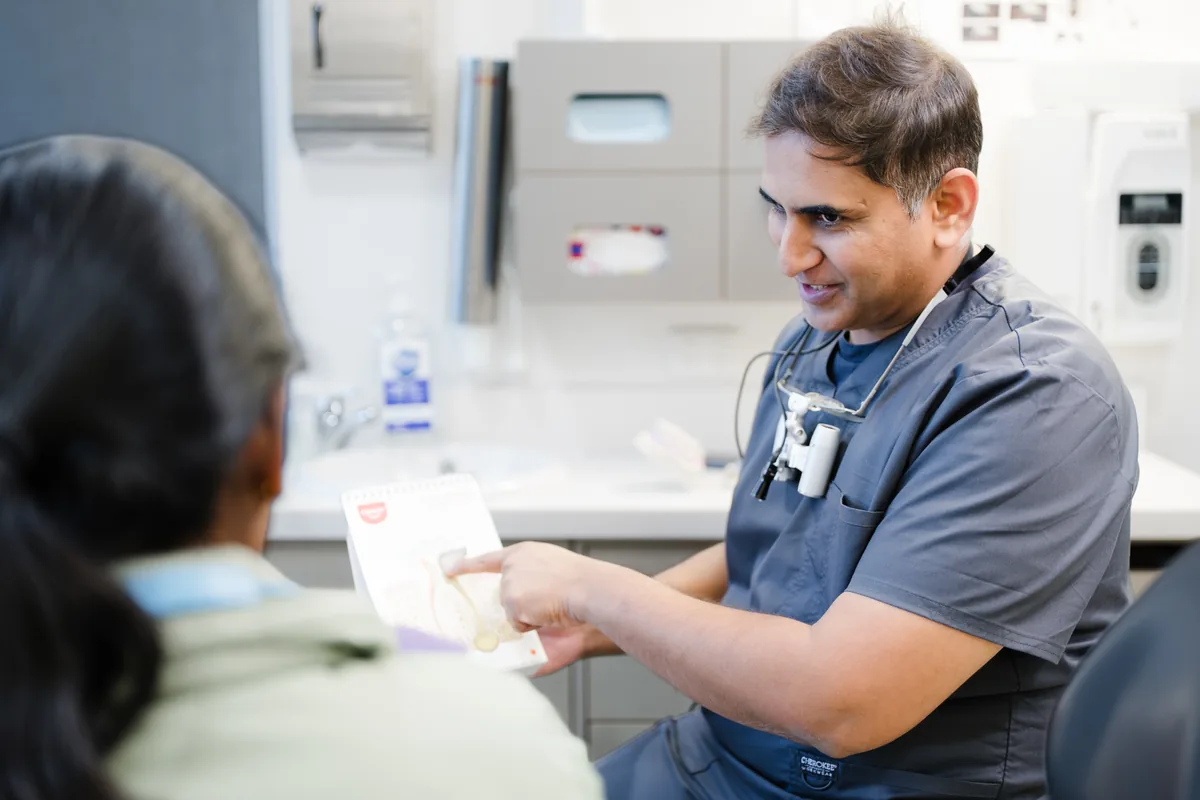
Step 02
Impressions, scans, repairs, adjustments or replacement stages may be discussed.
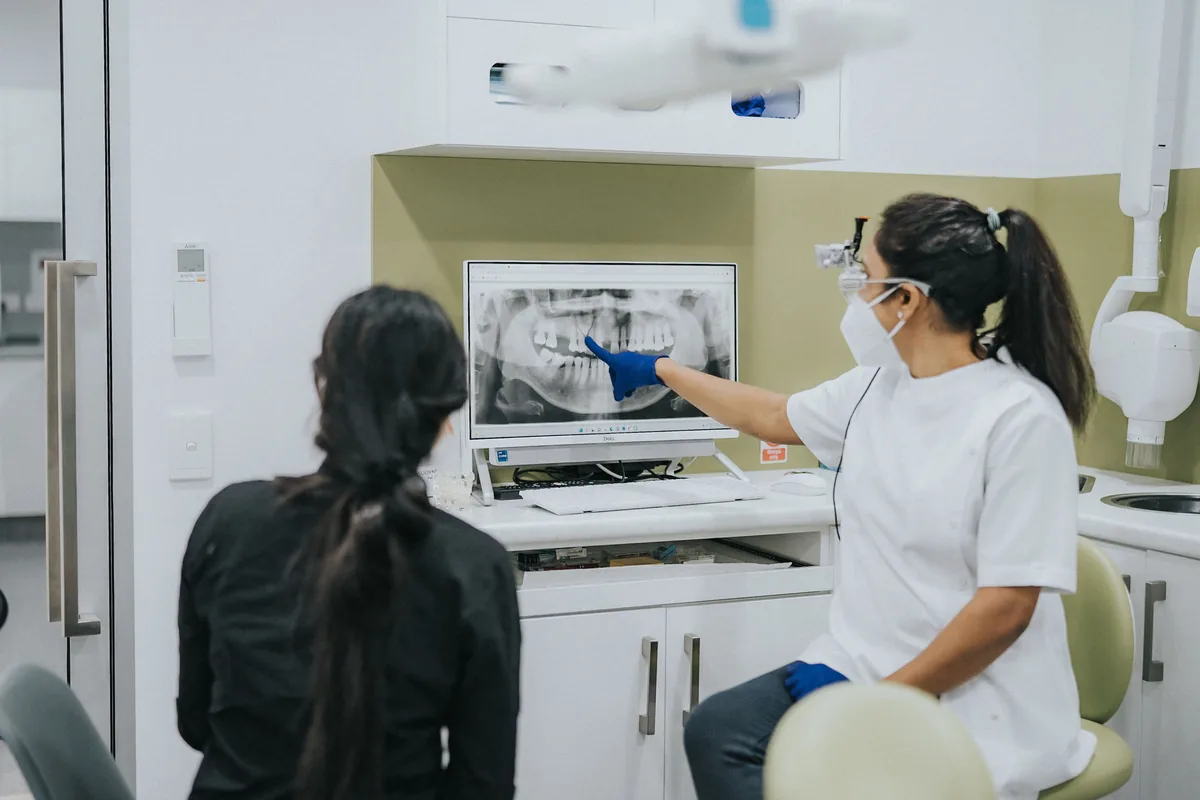
Step 03
New or adjusted dentures often need review as sore spots, bite and daily use settle.
Dentures can be useful, but fit, maintenance and alternatives should be understood before treatment is planned.
A removable appliance may replace multiple spaces in one plan.
Full dentures may be discussed when all teeth in an arch are missing or planned for removal.
Loose fit, rubbing or wear can signal review or replacement timing.
Implant-supported options may be discussed where suitability requires assessment.
Fees vary with partial or full design, materials, records, repairs, relines, extractions, adjustment visits and replacement timing.
The team can explain likely denture fees, review costs, health fund claiming and payment options before treatment begins.
Partial, full, immediate, repair or replacement denture needs.
Impressions, scans, bite records and adjustment appointments.
Extractions, remaining-tooth care or implant-supported planning.
Health fund policy limits, item numbers and payment-provider terms.
Fit can change as the mouth settles, especially after extractions or when an older denture has worn down.
Bring the denture, even if it is broken
Seeing the old fit, bite, cracks and sore spots helps the team decide whether repair, adjustment or replacement should be discussed.
Bring any current denture and mention sore spots, looseness, speech changes or eating difficulty.
Ask how to insert, remove, clean and store the denture safely.
Return for review if rubbing, looseness, clicking, cracks or bite changes appear.
If your search started with several missing teeth or a loose appliance, these links can help you compare replacement options.
If assessment points to a different need, we can explain why bridges, implants, repairs or staged care may be a better starting point.
Practical answers about dentures, fit, sore spots, records, costs, alternatives, aftercare and health funds.
dentures is discussed when several teeth are missing or an existing removable appliance needs review. The first appointment is still an assessment, not confirmation that treatment will go ahead.
You can ask questions and take time to consider planned care before proceeding.
Book online for planned denture review. Call first for severe pain, swelling, trauma, worsening sore spots or a broken denture affecting eating.
Visit us
57 Labouchere Road
Level 1, Suite 4, South Perth WA 6151
Opening hours
Monday - Friday 9:00AM - 6:00PM
Saturday: 9:00AM - 1:00PM
Email & Call Us
© 2026 Designed & Developed by Shoutout Digital


